

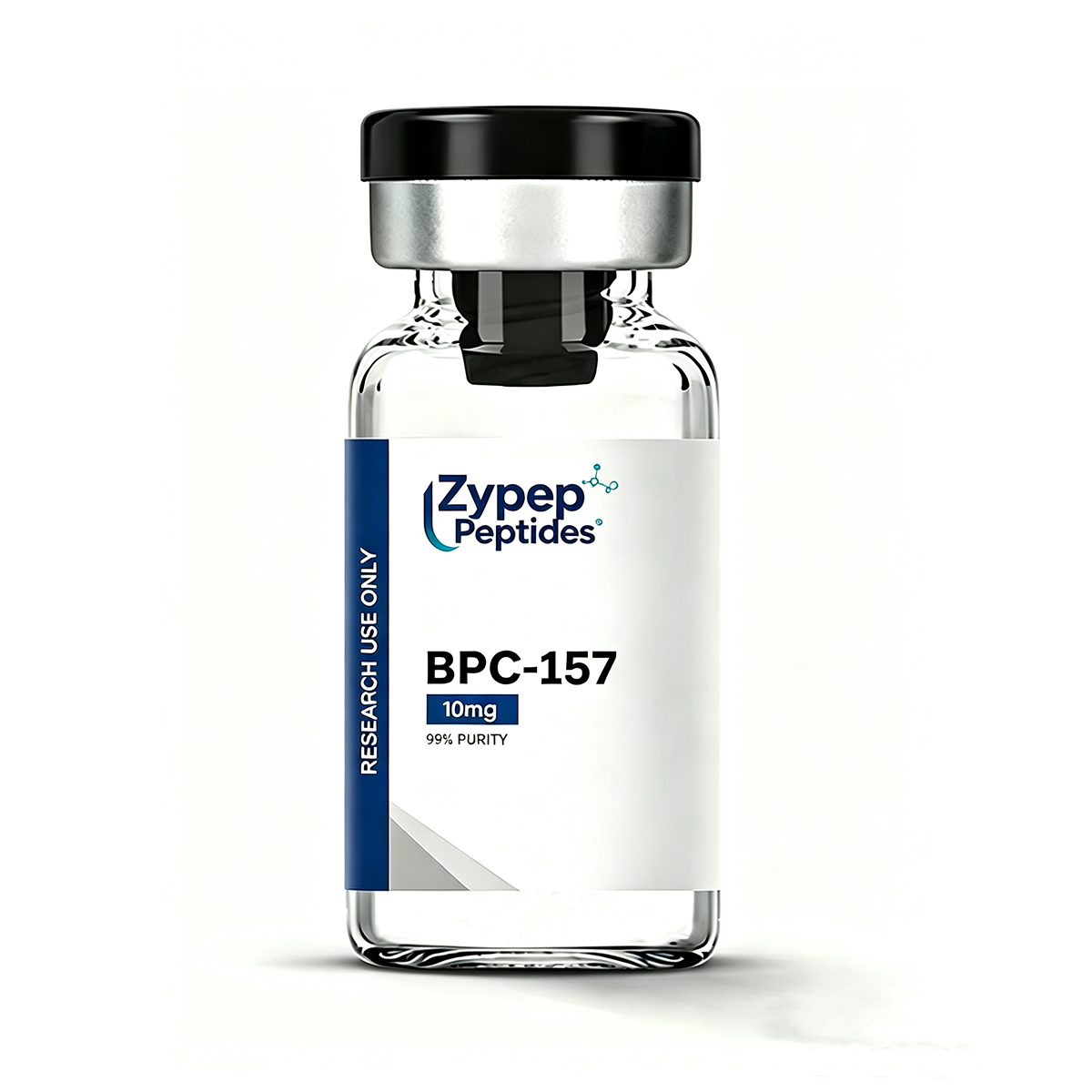
The 15-residue linear amino acid sequence of BPC-157 confers unique biochemical stability unmatched by most regenerative growth factor peptides:
- Native unmodified linear pentadecapeptide sequence derived from endogenous gastric mucosal protein fragments, no fatty acid or lipid conjugation.
- Exceptional proteolytic stability in acidic gastric fluid environments, retaining full biological activity for over 24 hours at pH 2.0, enabling research into oral gastrointestinal barrier repair pathways unavailable to degradable growth factors like VEGF or TGF-β.
- C-terminal amidation enhances aqueous solubility and reduces serum protease breakdown in systemic circulation models.
- Sequence structure drives selective activation of VEGFR2, Akt and eNOS intracellular signaling cascades, the core molecular pathway for de novo angiogenesis at sites of tissue damage.
| Property | Value |
|---|---|
| Full Name | BPC-157, Body Protection Compound 157 Pentadecapeptide |
| CAS Registry Number | 137525-51-0 |
| Molecular formula | C62H95N15O22 |
| Molecular weight | 1419.5 g/mol |
| Peptide length | 15 amino acids |
| Compound class | Endogenous gastric-derived regenerative cytoprotective peptide |
| Primary molecular targets | VEGFR2, Akt kinase, eNOS, TGF-β integrin signaling |
| Physical form | White fluffy lyophilised powder |
| Solubility | Sterile bacteriostatic water, PBS pH 6.8–7.4, dilute acetic acid |
| Biochemical stability | Stable in pH 1.5–8.0 aqueous buffers, resistant to gastric proteases |
| Purity standard | ≥99% HPLC per batch COA |
| Standard vial stock sizes | BP5 (5mg), BP10 (10mg) |
BPC-157’s regenerative mechanisms have been validated across over 120 peer-reviewed preclinical studies spanning three decades of peptide research, covering gastrointestinal ulcer repair, tendon/ligament fibrocartilage regeneration, skeletal muscle trauma, endothelial vascular injury, inflammatory bowel disease and organ ischemia reperfusion damage models.
The foundational body of BPC-157 research originates from long-term rodent and porcine injury model studies led by the Sikiric laboratory group, documenting consistent dose-dependent acceleration of angiogenesis, collagen matrix deposition and inflammatory cytokine suppression in damaged tissue. Key published models include gastric mucosal ulceration, Achilles tendon rupture, myocardial ischemia and colitis gut barrier permeability assays, forming standardized reference protocols for modern regenerative peptide labs.
BPC-157 is frequently co-formulated with TB500 (Thymosin Beta-4 fragment) for synergistic tissue repair research, as BPC-157 drives new blood vessel formation while TB500 regulates actin cytoskeleton cell migration into wound sites. Zypep Peptides supplies standalone BP157 vials as well as pre-blended BB-series compound vials for dual-peptide experimental convenience.
Zypep Peptides manufactures factory-direct BPC-157 lyophilized powder for university tissue engineering labs, sports medicine preclinical CROs and global peptide distributors. Submit your quantity inquiry through the website floating chat box to access bulk tier pricing, full batch test COA and refrigerated international shipping quotations. All products labeled FOR LABORATORY RESEARCH ONLY, not for human clinical administration.
Reviews
There are no reviews yet.