

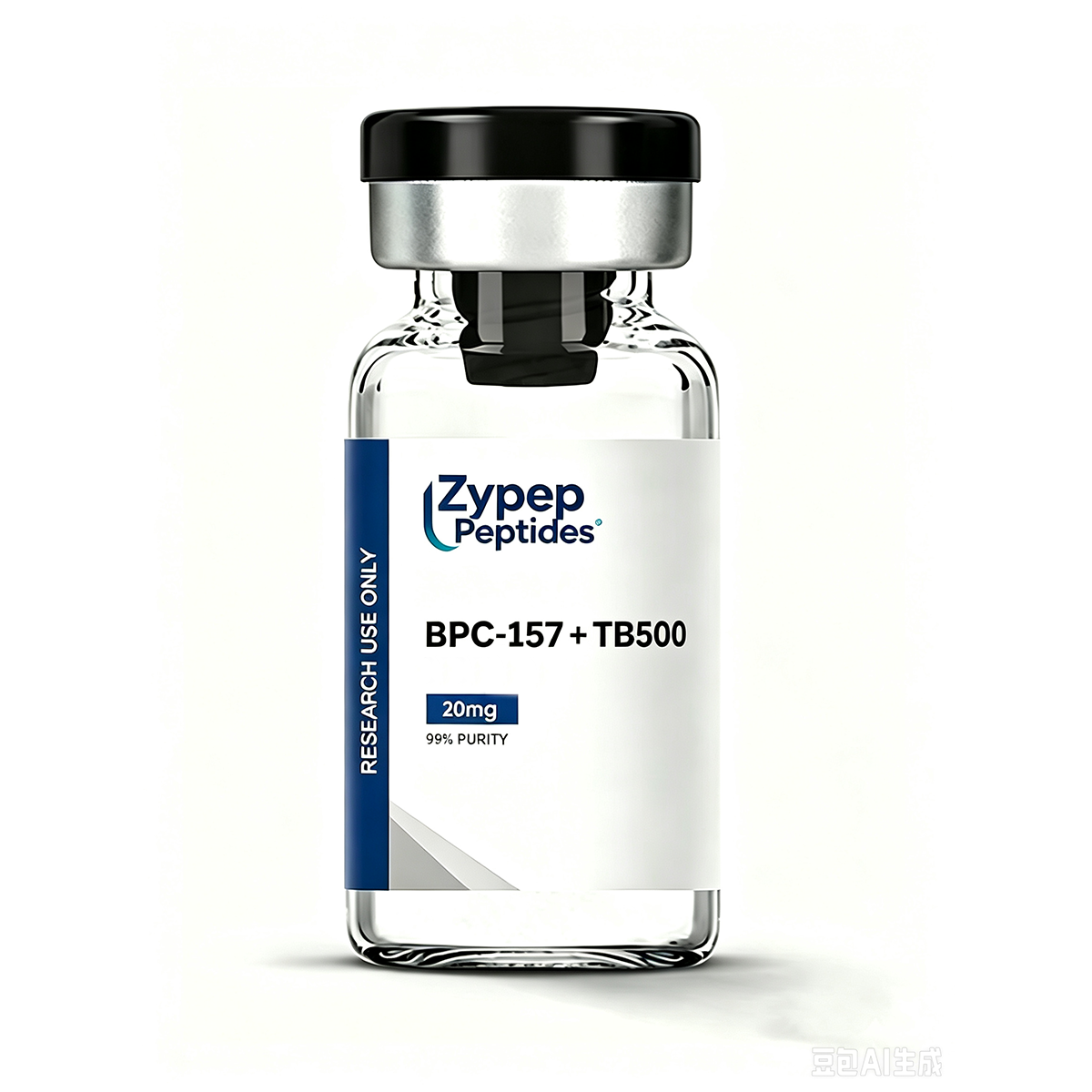
Compound Blend Dual Mechanism Structural Design
The BB-series vials are manufactured as physically co-lyophilized powder blends rather than covalently fused single peptides, fully preserving the independent native molecular structures and biological pathways of BPC-157 and TB500:
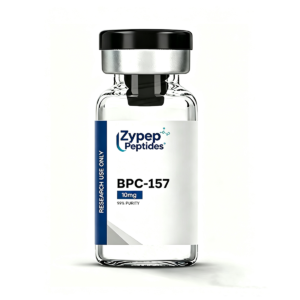
- BPC-157 component (10mg): 15-amino-acid gastric pentadecapeptide activating VEGFR2/Akt/eNOS angiogenic signaling, driving de novo blood vessel formation at damaged tissue sites and stabilizing gastrointestinal epithelial barrier integrity.
- TB500 component (10mg): Thymosin Beta-4 17–23 fragment regulating G-actin cytoskeleton sequestration, accelerating fibroblast/myoblast directional migration into wound microenvironments and suppressing local pro-inflammatory cytokine cascades.
- Synergistic dual-pathway advantage: Combined administration delivers additive tissue repair activity unavailable via single-peptide testing, enabling research into coordinated vascularization and cellular mobility during multi-stage wound regeneration.
| Property | Value |
|---|---|
| Blend Name | BB20 Compound Peptide (10mg BPC-157 + 10mg TB500 total 20mg/vial) |
| BPC-157 CAS | 137525-51-0 |
| TB500 CAS | 77591-33-2 |
| BPC-157 molecular weight | 1419.5 g/mol |
| TB500 molecular weight | 1440.7 g/mol |
| Compound class | Co-lyophilized dual regenerative tissue repair peptide blend |
| Dual primary signaling axes | VEGFR2 angiogenic pathway (BPC-157); actin cytoskeleton migration pathway (TB500) |
| Physical form | Homogeneous white lyophilised powder cake |
| Solubility | Uniformly soluble in sterile bacteriostatic water, PBS pH7.0–7.4 |
| Batch purity standard | ≥99% HPLC for each individual peptide component |
| Available BB-series specifications | BB10 (5mg+5mg), BB20 (10mg+10mg), BB30 (15mg+15mg) |
Preclinical combinatorial research background
Peer-reviewed injury model publications consistently demonstrate enhanced tissue repair outcomes following co-administration of BPC-157 and TB500 compared to single-peptide monotherapy, covering tendon rupture, skeletal muscle contusion, cutaneous full-thickness wounds, gastric mucosal ulceration and cardiac ischemia reperfusion damage experimental datasets.
Core comparative dual-peptide preclinical study (Mihailovic et al., 2022)
This randomized rodent Achilles tendon injury trial compared standalone BPC-157, standalone TB500 and combined dual-peptide blend treatment arms over 28 days of recovery. Histological analysis confirmed significantly higher collagen matrix density, increased microvessel count and reduced inflammatory infiltrate in the dual-blend treatment cohort, establishing standardized reference data for combined regenerative peptide laboratory research.
Laboratory experimental convenience
Pre-blended BB20 vials remove experimental variability introduced by manual separate powder weighing and mixing protocols, improving cross-study reproducibility for multi-group comparative trauma research projects. Fixed 1:1 mass ratio is standardized across all BB-series batch production.
Bulk compound peptide wholesale supply
Zypep Peptides manufactures full BB-series dual regenerative blends for bulk university lab, preclinical CRO and global peptide distributor supply. Submit quantity inquiries via the website floating chat dialog on zypep.com to access bulk volume discount tiers, dual-component full COA documentation and refrigerated international shipping options for lyophilized peptide preservation. All BB-series products strictly FOR LABORATORY RESEARCH USE ONLY, not formulated for human clinical administration.
Reviews
There are no reviews yet.